 Get Instant Quote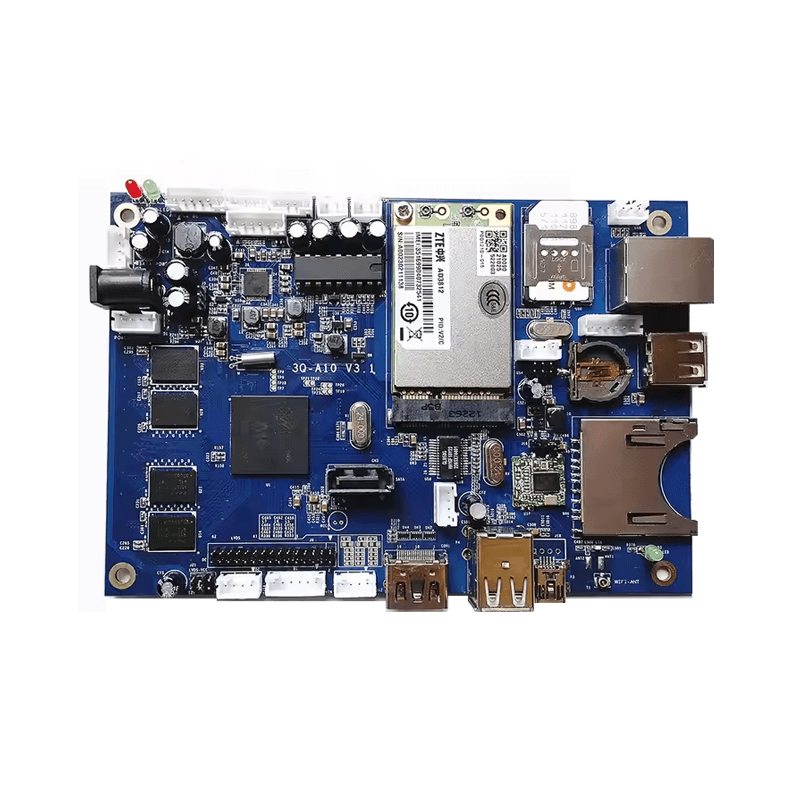
- Base Material: FR-4
- Certification: RoHS, ISO
- Layers: Multilayer
- PCBA QC: X-ray, AOI Test, Function Test (100% Test)
- Solder Mask Color: Green, Black, Red, Blue, Yellow, White
- Min. BGA Space: 0.3 mm
- Min. Component: 01005
- Name: Base Station Information Board PCBA
Description
Product Parameters
| Parameter | Specification |
|---|---|
| Base Material | FR-4 |
| Certification | RoHS, ISO |
| Layers | Multilayer |
| PCBA QC | X-ray, AOI Test, Function Test (100% Test) |
| Solder Mask Color | Green, Black, Red, Blue, Yellow, White |
| Min. BGA Space | 0.3 mm |
| Min. Component | 01005 |
| Name | Base Station Information Board PCBA |
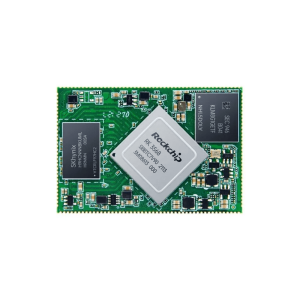
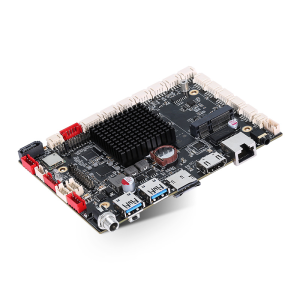
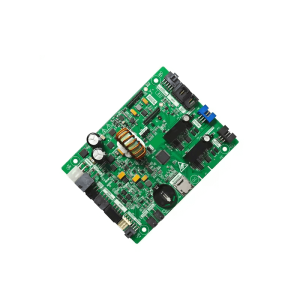
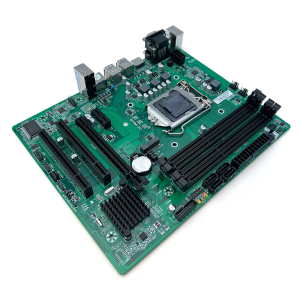
Product Display
Description
The base station information board is an important electronic component used in base station equipment for information collection, processing, monitoring, and display. It can integrate a data acquisition module, microprocessor, storage unit, display control circuit, and display screen to support efficient monitoring of base station operating conditions.
The data acquisition module collects operating information from different parts of the base station, including signal transmitting and receiving equipment, power systems, and other key components. Parameters such as signal strength, power consumption, and equipment temperature can be collected for further processing.
The microprocessor processes and analyzes the collected information to help determine the operating status of the base station. The storage unit can retain historical operating data for subsequent analysis and troubleshooting. Meanwhile, the display control circuit converts processed information into suitable signals and drives the display screen to present key information, including real-time operating parameters and fault alarm notifications.
Application Scenarios
- Communication Operator Base Stations: The base station information board can be used in urban rooftop base stations as well as remote base station sites. Maintenance personnel can monitor real-time operating data, including signal coverage and communication quality indicators. When signal conditions deteriorate or equipment faults occur, the information board can provide alarm indications to support timely maintenance and help maintain network stability.
- Industrial Internet of Things Base Stations: In industrial environments, the base station information board can connect industrial equipment and sensors for centralized data management and transmission. For example, in smart factories, it can collect equipment operating speed, energy consumption, fault warnings, and other production data, allowing managers to monitor equipment performance and optimize production operations.
- Transportation Hub Base Stations: In airports, railway stations, bus stations, and other transportation hubs, the base station information board can support communication network monitoring in high-traffic environments. It helps monitor base station operating conditions and can provide timely feedback when network congestion or equipment faults occur, supporting reliable communication services.
Hardware Characteristics
- High-Speed Data Acquisition: Equipped with a high-performance data acquisition module, the board can quickly collect operating information from various base station devices. Key parameters such as signal strength and power consumption can be acquired rapidly, providing timely and accurate data for subsequent processing and analysis.
- Powerful Data Processing Capability: An advanced microprocessor provides computing and data processing capabilities for analyzing collected information and determining the operating status of the base station. It can process changing network conditions and generate corresponding control or monitoring information efficiently.
- Large-Capacity Storage: The storage unit can retain historical operating data for trend analysis, equipment maintenance, and fault troubleshooting. Historical information can help maintenance personnel review equipment performance and identify potential issues or operating patterns.
- High-Reliability Display: The display system can use high-brightness and high-contrast components to provide clear information in different operating environments. The display control circuit is designed to provide stable operation and resistance to electromagnetic interference, helping maintain reliable information display within the complex electromagnetic environment of base station equipment.