 Get Instant Quote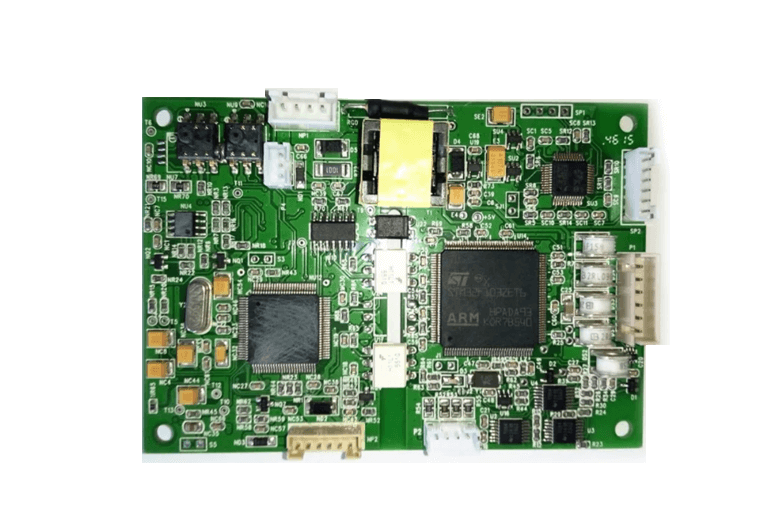
- Base Material: FR-4
- Certification: RoHS, ISO
- Layers: Multilayer
- Layer: 1–48 Layers
- PCBA QC: X-ray, AOI Test, Function Test (100% Test)
- Solder Mask Color: Green, Black, Red, Blue, Yellow, White
- Specification: 500 mm × 400 mm
- Name: Medical Board PCBA
Description
Product Parameters
| Parameter | Specification |
|---|---|
| Base Material | FR-4 |
| Certification | RoHS, ISO |
| Layers | Multilayer |
| Layer | 1–48 Layers |
| PCBA QC | X-ray, AOI Test, Function Test (100% Test) |
| Solder Mask Color | Green, Black, Red, Blue, Yellow, White |
| Specification | 500 mm × 400 mm |
| Name | Medical Board PCBA |
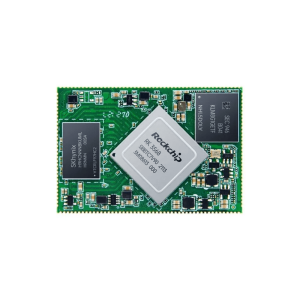
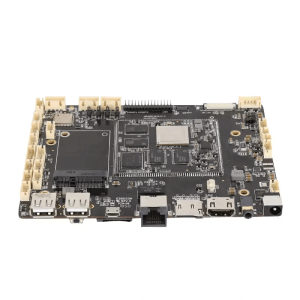
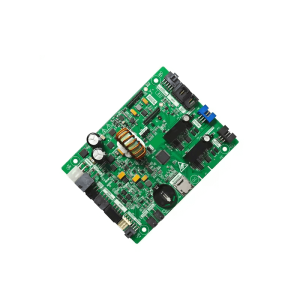
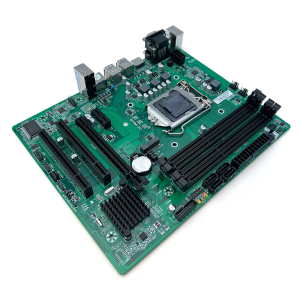
Product Display
Description of Medical Boards
- Definition: Medical boards are printed circuit boards (PCBs) customized for medical devices and serve as core components of medical electronic equipment. They integrate electronic components such as chips, sensor interfaces, and signal processors to process and transmit medical-related electrical signals.
- Functional Characteristics: Medical boards provide different functions depending on the application. They can amplify, filter, and digitize weak bioelectrical signals such as electrocardiogram, electromyogram, and electroencephalogram signals. They can also control actuator components such as motors, valves, and laser emitters while providing reliable communication between different parts of medical equipment.
Application Scenarios
Clinical Diagnostic Equipment
- Electrocardiograph (ECG): The medical board receives and amplifies electrocardiogram signals collected through surface electrodes. It can filter interference and convert the signals into digital data for display as ECG waveforms, supporting medical diagnosis.
- Electroencephalograph (EEG): The medical board collects and processes electrical signals generated by brain activity. High sensitivity and effective interference control help preserve weak EEG signals for analysis and display.
- Ultrasonic Diagnostic Equipment: The medical board controls the transmission and reception of ultrasonic signals. It drives the probe, receives reflected signals, converts them into electrical data, and processes the information to generate ultrasonic images.
Therapeutic Equipment
- Cardiac Pacemaker: The medical board can control electrical pulse generation according to programmed parameters and heart rhythm information, supporting the operation of pacemaker systems.
- Medical Laser Therapy Device: The medical board can control laser operating parameters such as power, wavelength, pulse frequency, and duration according to the equipment design and treatment requirements.
- Extracorporeal Shock Wave Lithotripter: The medical board controls shock-wave generation and operating parameters, supporting the precise delivery of shock waves used in stone-treatment procedures.
Vital Sign Monitoring Equipment
- Multi-Parameter Monitor: The medical board can connect with multiple sensors, including ECG electrodes, blood pressure sensors, blood oxygen saturation probes, and respiratory sensors. It processes vital sign data such as heart rate, blood pressure, oxygen saturation, and respiratory rate for real-time display and monitoring.
- Wearable Health Monitoring Devices: Medical boards can be integrated into smart bracelets, smart watches, and chest straps to collect and process health-related data such as heart rate, activity, and sleep information. Data can be transferred to smartphones or cloud platforms through wireless communication technologies.
Hardware Characteristics
High-Precision Analog Circuits
- Signal Acquisition and Amplification: Medical boards can incorporate high-gain, low-noise amplifiers for acquiring weak bioelectrical signals. These circuits help amplify low-level signals while minimizing additional noise during signal acquisition.
- Filter Circuits: Filter circuits help remove unwanted signal components and interference. Band-pass filters can be designed to allow signals within specified frequency ranges to pass while attenuating signals outside the desired range.
High-Performance Digital Circuits
- Microprocessors and Microcontrollers: Medical boards can integrate microprocessors or microcontrollers for signal processing, device control, data management, and communication. These processors can execute programmed algorithms and manage various equipment functions.
- Data Storage and Communication Interfaces: Memory components can store configuration parameters, calibration information, and operating data. Communication interfaces such as USB, Ethernet, SPI, I2C, and Bluetooth can support data exchange with external devices and systems.
High-Reliability and Safety Design
- Component Quality and Selection: Medical boards can use components selected according to the reliability and performance requirements of medical equipment. Careful component selection and quality inspection help support stable operation and long service life.
- Electromagnetic Compatibility (EMC): Medical boards require appropriate electromagnetic compatibility considerations. Proper PCB routing, shielding, grounding, and component placement can help reduce susceptibility to electromagnetic interference and limit unwanted emissions.
- Electrical Safety Design: Medical equipment may require isolation, leakage protection, and other electrical safety measures. Appropriate circuit design can help separate patient-connected circuits from potentially hazardous voltage sources and support safe equipment operation.
Miniaturization and Portability Design
- Multi-Layer Circuit Board Structure: For compact medical devices such as wearable and portable diagnostic equipment, multilayer PCB structures can accommodate complex circuits within limited space. Multilayer construction can also help optimize routing and signal integrity.
- Low-Power Design: Portable medical devices can use low-power components and power-management strategies to extend battery operating time. Sleep modes, wake-up mechanisms, and optimized circuit designs can help reduce power consumption during extended operation.