 Get Instant Quote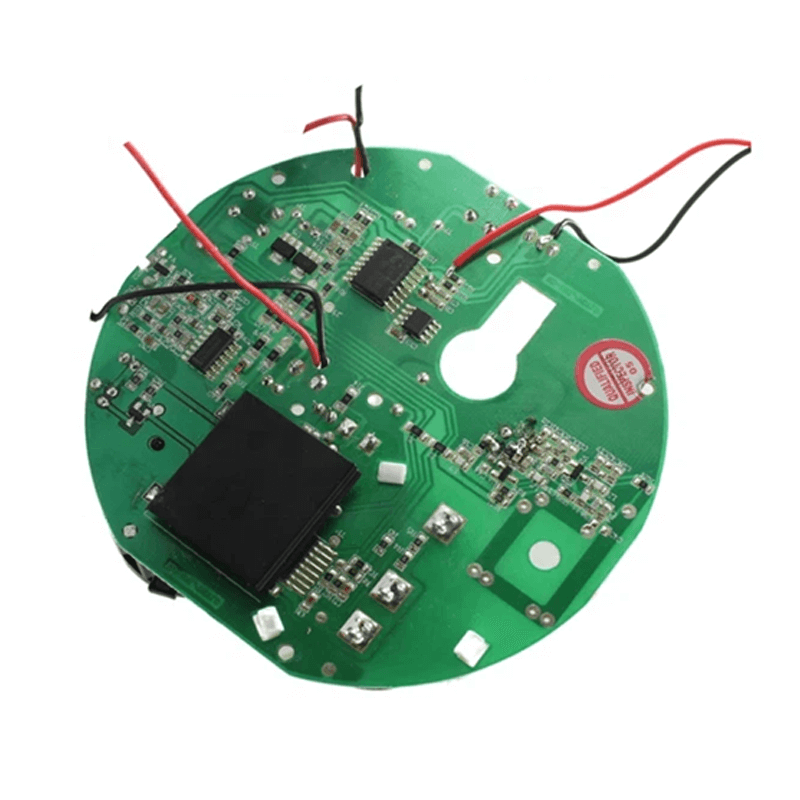
- Base Material: FR-4
- Certification: RoHS, ISO
- Layers: Multilayer
- Layer: 1–48 Layers
- PCBA QC: X-ray, AOI Test, Function Test (100% Test)
- Solder Mask Color: Green, Black, Red, Blue, Yellow, White
- Name: Smoke Detector Board PCBA
Description
Product Parameters
| Parameter | Specification |
|---|---|
| Base Material | FR-4 |
| Certification | RoHS, ISO |
| Layers | Multilayer |
| Layer | 1–48 Layers |
| PCBA QC | X-ray, AOI Test, Function Test (100% Test) |
| Solder Mask Color | Green, Black, Red, Blue, Yellow, White |
| Name | Smoke Detector Board PCBA |
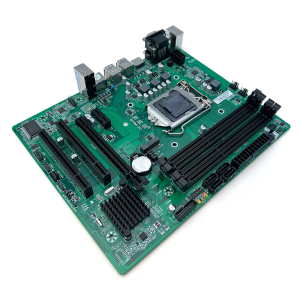
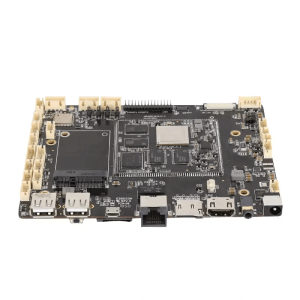
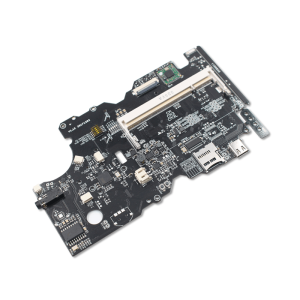
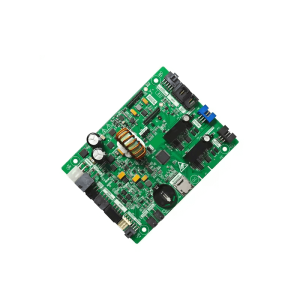
Product Display
Description
The smoke detector board is a core electronic component designed to detect smoke conditions in the surrounding environment. It can integrate a smoke sensor, signal-processing circuit, microcontroller, alarm circuit, and communication interface. The smoke sensor detects smoke particles and converts the detected condition into an electrical signal. The signal-processing circuit filters and conditions the sensor output, while the microcontroller evaluates the signal according to programmed detection criteria and activates an alarm or communication function when an abnormal condition is identified.
Application Scenarios
Residential Homes
- Home Fire Detection: Smoke detector boards can be integrated into detectors installed in areas such as living rooms, bedrooms, kitchens, and hallways to help identify smoke associated with potential fire events and provide early warning to occupants.
- Continuous Monitoring: The board can continuously monitor the surrounding environment and trigger an alarm when the detected smoke level meets the configured detection criteria.
Commercial Places
- Commercial Buildings: Smoke detector boards can be used in shopping malls, hotels, restaurants, offices, and other commercial facilities as part of a broader fire detection and alarm system.
- Fire Alarm Integration: Depending on the system design, the board can communicate detection information to centralized fire alarm equipment, helping support timely notification and emergency response.
Industrial Fields
- Factories and Warehouses: Smoke detection boards can be installed in production facilities, warehouses, and other industrial areas where early detection of smoke can help identify potential fire hazards.
- Environmental Monitoring: Appropriate signal conditioning and filtering can help maintain reliable detection performance in environments where dust, humidity, and electromagnetic interference may be present.
Hardware Characteristics
High-Sensitivity Sensors
- Smoke Detection: The board can use photoelectric or other suitable smoke-sensing technologies to detect smoke particles in the surrounding air. Sensor selection depends on the required detection performance and application environment.
Strong Anti-Interference Ability
- Signal Filtering: Filtering and signal-conditioning circuits can help reduce unwanted electrical noise and environmental interference, supporting stable smoke detection.
- Environmental Adaptability: Appropriate PCB layout, shielding, and circuit design can help improve operational stability in environments affected by electromagnetic interference, dust, or humidity.
Low-Power Design
- Energy Efficiency: Low-power components and power-management strategies can support continuous operation, particularly in battery-powered smoke detector applications.
- Standby Operation: The microcontroller can remain in a low-power operating state when no smoke event is detected and transition to an active state when sensor processing or alarm functions are required.
Fast Response
- Rapid Detection: The signal-processing and control circuits are designed to respond promptly when smoke conditions meet the configured alarm criteria, helping provide early warning during potential fire events.
- Alarm Activation: Once the detection threshold or programmed conditions are reached, the board can activate an alarm output or transmit a notification to connected fire detection equipment.