 Get Instant Quote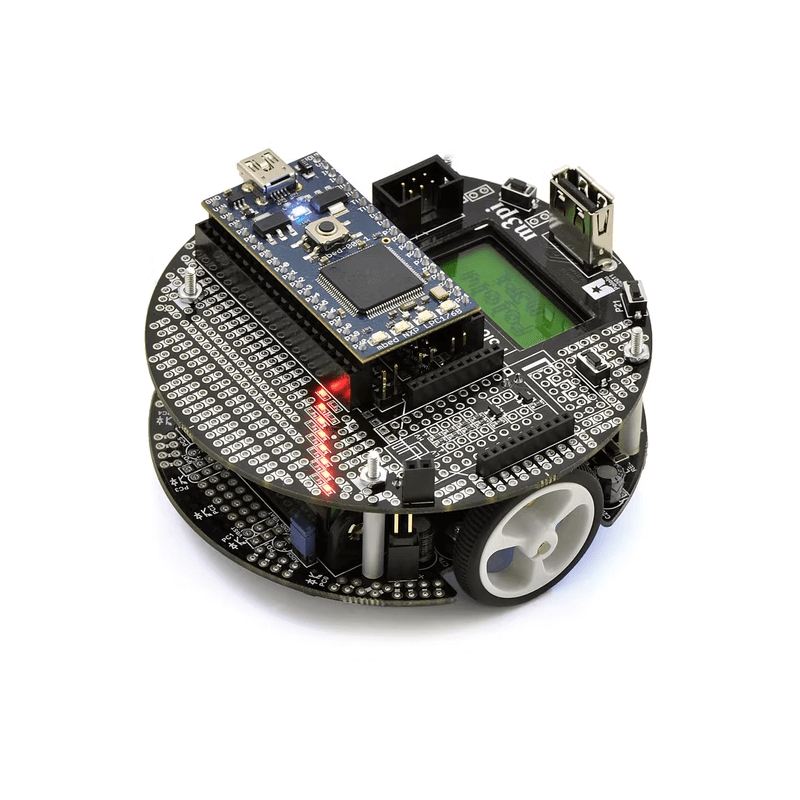
- Min. Order Quantity: 1 piece
- Board Type: Rigid PCB
- Assembly Types: SMD, BGA
- Board Size: 40 × 40 cm
- Min. Package: 01005 (0.4 mm × 0.2 mm)
- Board Name: Toy Robot Board PCBA
Description
Product Parameters
| Parameter | Specification |
|---|---|
| Min. Order Quantity | 1 piece |
| Board Type | Rigid PCB |
| Assembly Types | SMD, BGA |
| Board Size | 40 × 40 cm |
| Min. Package | 01005 (0.4 mm × 0.2 mm) |
| Board Name | Toy Robot Board PCBA |
Product Display
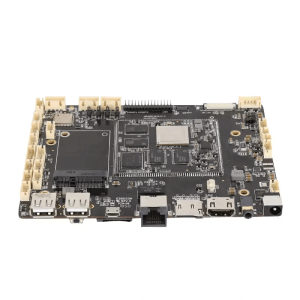
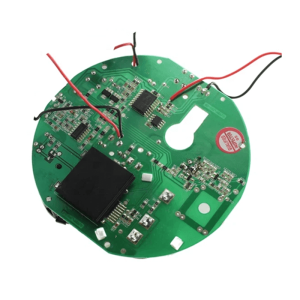
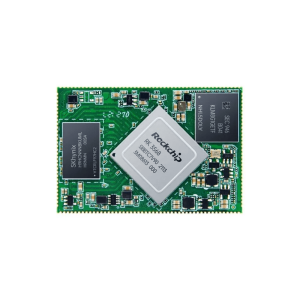
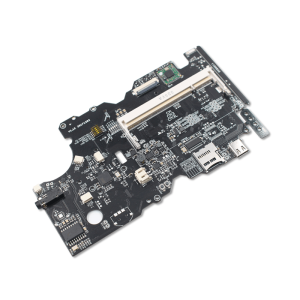
Robot Board
The toy robot board is a core control circuit board designed for toy robots. It integrates multiple functional modules and enables robots to perform different movements and interactive functions. Typically centered around a microcontroller or microprocessor, the board processes input signals and generates control instructions for functions such as walking, turning, waving, speaking, and facial expressions. Its design focuses on functionality, safety, reliability, and cost-effectiveness for toy applications.
Hardware Features
- Processor Performance: The board can use low-power, high-performance microcontrollers or microprocessors to process sensor data and control instructions. ARM-based microcontrollers may provide suitable processing performance and interface resources for real-time response and motion control in toy robots.
- Rich Interfaces: Multiple interfaces can be provided for connecting sensors, actuators, and peripheral devices. GPIO interfaces can connect switches and indicator LEDs, while I2C can support sensors such as accelerometers and gyroscopes. SPI interfaces can provide high-speed communication with displays or wireless modules, and UART can support communication with Bluetooth and voice modules.
- Sensor Integration or Support: The board can integrate or support sensors for intelligent interaction and environmental detection. Infrared sensors can help detect obstacles, sound sensors can enable sound-responsive functions, and touch sensors can provide additional interaction methods between users and the robot.
- Power Management: An efficient power-management system can support battery-powered operation and help extend battery life. Low-power modes can reduce energy consumption when the robot is inactive. Depending on the design, battery protection and low-battery indication functions may also be included.
- Communication Functions: Wireless communication technologies such as Bluetooth and Wi-Fi can enable connectivity with smartphones, tablets, and other devices. Bluetooth can support remote control, programming, and firmware updates, while Wi-Fi can provide network connectivity for applications such as online learning and remote control.